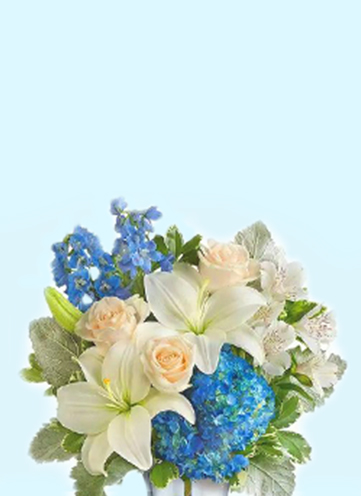
Elevate Your Gardening with Hydrangea Expertise
Posted on 17/08/2025

Elevate Your Gardening with Hydrangea Expertise
If you aspire to transform your garden into a breathtaking sanctuary, few plants rival the timeless elegance of hydrangeas. These versatile flowering shrubs captivate with their vibrant blooms, lush foliage, and the ability to adapt across various climates. Whether you're a novice gardener or seeking to elevate your hydrangea care routine, mastering the art of hydrangea cultivation is key. In this comprehensive guide, we unveil proven tips, best practices, and expert insights to help you cultivate spectacular hydrangeas and truly elevate your gardening expertise.
Understanding Hydrangeas: The Foundation of Expert Gardening
Hydrangeas are more than just beautiful garden staples; they embody endless possibilities for creative landscaping. To attain hydrangea mastery, start by understanding the essentials:
- Diversity: Hydrangeas come in various species and cultivars, each with unique growth habits, blossom shapes, and color potentials.
- Adaptability: From sun-soaked borders to shaded corners, hydrangeas thrive in diverse environments when given the right care.
- Year-Round Appeal: With strategic planning, your hydrangea garden can offer visual interest from spring through winter.
Popular Hydrangea Varieties to Elevate Your Landscape
- Hydrangea macrophylla (Bigleaf or Mophead Hydrangea): Famous for their large, dramatic blooms, these hydrangeas are often seen in vibrant blues, pinks, and purples.
- Hydrangea paniculata (Panicle Hydrangea): Known for their cone-shaped flowers, these robust hydrangeas bloom later in the season and are highly resilient.
- Hydrangea arborescens (Smooth Hydrangea): With their globe-shaped blossoms, these are reliable in various climates and appreciated for their easy care.
- Hydrangea quercifolia (Oakleaf Hydrangea): Prized for unique foliage that turns brilliant shades in autumn, as well as elongated blooms.
- Hydrangea serrata (Mountain Hydrangea): Smaller but equally striking, ideal for more compact gardens or containers.
Site Selection: The Cornerstone of Successful Hydrangea Gardening
To truly elevate your gardening with hydrangea expertise, begin with optimal site selection. Hydrangeas are versatile but thrive best with specific conditions:
- Light: Most hydrangeas prefer morning sun and afternoon shade. However, panicle hydrangeas tolerate more sunlight.
- Soil: Rich, well-draining soil is critical. Enrich beds with compost or well-rotted manure to foster lush growth.
- Space: Allow ample room for air circulation. Crowded conditions encourage disease and stifle blooms.
Expert Tip: Plant near pathways, patios, or seating areas to fully enjoy hydrangeas' impressive blossoms and subtle fragrance!
Planting Hydrangeas: Step-by-Step Guide for Stunning Results
Choosing the Right Time
The best time to plant hydrangeas is in early spring or fall, when temperatures are mild and the plant can establish robust roots before the stress of summer or winter.
How To Plant Hydrangeas for Lasting Success
- Dig a Hole: Make the hole twice as wide and as deep as the hydrangea's pot.
- Prep the Soil: Amend native soil with organic material to boost fertility and drainage.
- Remove the Hydrangea: Gently remove the shrub from its pot, teasing out roots if they are circling.
- Place and Backfill: Set in the hole so the crown sits level with the soil. Fill in, firming gently as you go to remove air pockets.
- Water Thoroughly: Give your hydrangea a deep drink to settle the soil and reduce transplant shock.
Hydrangea planting expertise tip: Mulch generously to retain moisture and moderate soil temperature - this dramatically boosts survival rates!
Watering Wisdom: Key to Prolific Hydrangea Blooms
Hydrangeas are aptly named, derived from the Greek "hydor," meaning water. Their large leaves and blossoms demand consistent hydration for optimal performance.
- Frequency: Hydrangeas prefer deep, regular watering--about 1-2 inches per week, increasing during heat or drought.
- Method: Water at soil level to minimize fungal disease. Drip irrigation or soaker hoses work wonders.
- Mulch Magic: A 2-3 inch mulch layer suppresses weeds and locks in soil moisture.
Overwatering can be as harmful as underwatering - ensure soil is moist, not soggy, to avoid root rot.
Fertilizing Hydrangeas for Expert-Like Blooms
Nutrition plays a pivotal role in elevating your hydrangea garden. Balancing nutrients produces lush foliage and prolific blooms while preventing leaf yellowing or blossom drop.
- Timing: Feed hydrangeas in spring, just as new growth emerges, and optionally again in midsummer for repeat bloomers.
- Type: Opt for a slow-release, balanced fertilizer (such as 10-10-10), but tailor feeding to your hydrangea variety and soil test results.
- Application: Scatter fertilizer evenly around the drip line, not directly against the stem, and water in thoroughly.
Too much nitrogen can promote leaves at the expense of flowers - always follow product directions!
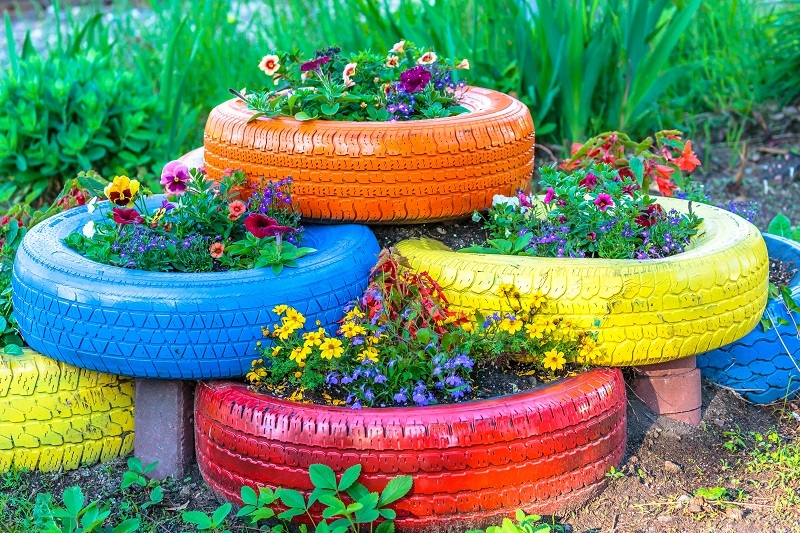
Mastering Hydrangea Color: Soil pH Secrets for Stunning Hues
One of the most captivating aspects of hydrangea gardening expertise is the art of color control, especially in Bigleaf hydrangeas (Hydrangea macrophylla). These blooms shift from blue to pink (or vice versa) based on soil chemistry.
- Acidic soil (pH < 6): Produces blue flowers due to greater aluminum uptake.
- Alkaline soil (pH > 7): Yields pink to red blooms, as aluminum becomes unavailable.
How to Change Hydrangea Colors:
- Add aluminum sulfate to lower pH and intensify blues.
- Incorporate garden lime to raise pH and encourage pinks.
Always test soil before amending, and make changes gradually over several seasons for healthiest plants and most vivid hues.
Pruning Hydrangeas: The Art of Encouraging Abundant Blossoms
Pruning hydrangeas at the right time and with proper technique is central to expert hydrangea gardening. Pruning incorrectly is a common cause of poor flowering!
Know Your Type: When and How to Prune
- Bigleaf & Oakleaf Hydrangeas bloom on old wood. Prune immediately after flowering (late summer) to avoid removing next year's buds.
- Panicle & Smooth Hydrangeas bloom on new wood. Prune in late winter or very early spring, as flower buds form on current season growth.
- General Rule: Remove dead or damaged stems anytime. For shaping, avoid drastic cuts--hydrangeas prefer light, thoughtful trimming.
Elevate your hydrangea pruning skills by sanitizing tools, cutting above healthy buds, and always mulching after major trims to protect roots.
Combatting Common Hydrangea Pests and Diseases
With proper care, hydrangeas are generally low-maintenance, but awareness of potential challenges is vital for hydrangea gardening expertise.
- Powdery mildew, leaf spot, and rust: Reduce by spacing plants for airflow and avoiding overhead watering.
- Slugs and aphids: Control with handpicking or natural solutions like neem oil.
- Deer and rabbits: Use repellents or fencing, as hydrangeas can be tempting snacks!
Healthy, well-fed hydrangeas are naturally more resilient--so prioritize plant health above all.
Designing with Hydrangeas: Creative Ideas to Elevate Your Landscape
Hydrangeas aren't just showstoppers on their own--they elevate garden design through thoughtful placement and pairing. Explore these inspired garden concepts:
- Mixed Borders: Combine hydrangeas with hostas, ferns, and shade-loving perennials for lush, layered depth.
- Privacy Screens: Use tall panicle or smooth hydrangeas along fences to create living walls of color and texture.
- Container Elegance: Dwarf hydrangeas thrive in pots--perfect for patios, balconies, or courtyard gardens.
- Cottage Garden Charm: Cluster mophead hydrangeas with roses and peonies for that old-world, romantic atmosphere.
Tip: Cut hydrangea blooms for fresh arrangements. To dry, hang stems upside down in a cool, dark place for everlasting bouquets!
Elevating Your Hydrangea Expertise Year After Year
Gardening with hydrangeas is a continually rewarding journey. As your confidence grows, experiment with advanced hydrangea care techniques to personalize your gardening experience:
- Propagation: Try rooting cuttings in summer or layering flexible branches to multiply your favorite varieties.
- Winter Protection: In cold climates, insulate roots with thick mulch and cover tender varieties with burlap to safeguard buds.
- Seasonal Adjustments: Tweak watering, feeding, and pruning routines as your garden matures and local climate shifts.
Tracking your practices in a gardening journal helps refine your hydrangea expertise and creates a valuable resource for reference year after year.
Frequently Asked Questions: Concise Hydrangea Expertise
Can hydrangeas grow in full sun?
Panicle and smooth hydrangeas tolerate more sun, while bigleaf and oakleaf prefer protection from harsh afternoon rays. In hot climates, partial shade is best.
Why are my hydrangea blooms green?
Green flowers can be a natural stage of development or stress response. Ensure ample water and nutrients, and experiment with soil pH for color enhancement.
How do you revive a wilted hydrangea?
Hydrangeas recover quickly from dehydration. Water deeply at the base (not overhead), and mulch well. Prune back only dead stems after the stress has passed.
Conclusion: Become a Hydrangea Gardening Expert
Achieving excellence in hydrangea gardening is equal parts science and artistry. By embracing best practices in site selection, planting, watering, fertilization, pruning, and creative design, you'll confidently elevate your gardening with hydrangea expertise. These remarkable blooms reward diligent care with lush, ever-changing displays season after season.
Start small or dream big--either way, hydrangeas offer limitless possibilities to enhance your garden with color, fragrance, and beauty. Join the growing community of hydrangea enthusiasts who have discovered the joy and satisfaction of cultivating these iconic garden treasures.
Ready to transform your landscape? Embrace expert hydrangea care, and soon your garden will be the envy of the neighborhood!